

Building resilient regional and remote Queensland communities.
Our Stories
The Challenges and Benefits of Living and Working in Regional and Remote Queensland
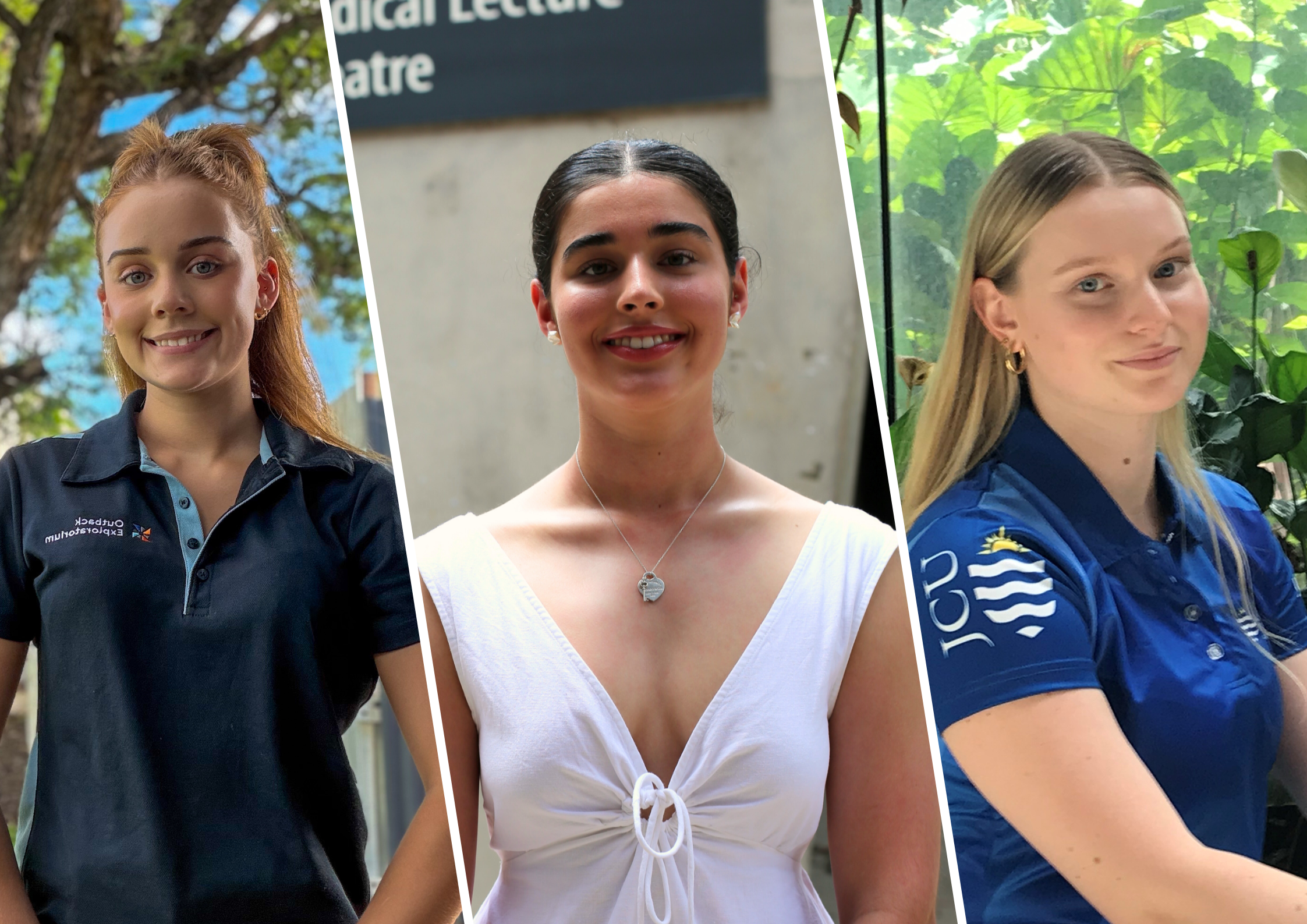
At QCoal Foundation, we are proud to support the next generation of changemakers from regional Queensland. Now, more than a decade into the QCoal Foundation Scholarship program at James Cook University, the lived experiences of our alumni offer valuable perspectives into both the current challenges and the often-overlooked strengths of living and working in regional and remote Queensland.
The Bright Side: Regional Strengths
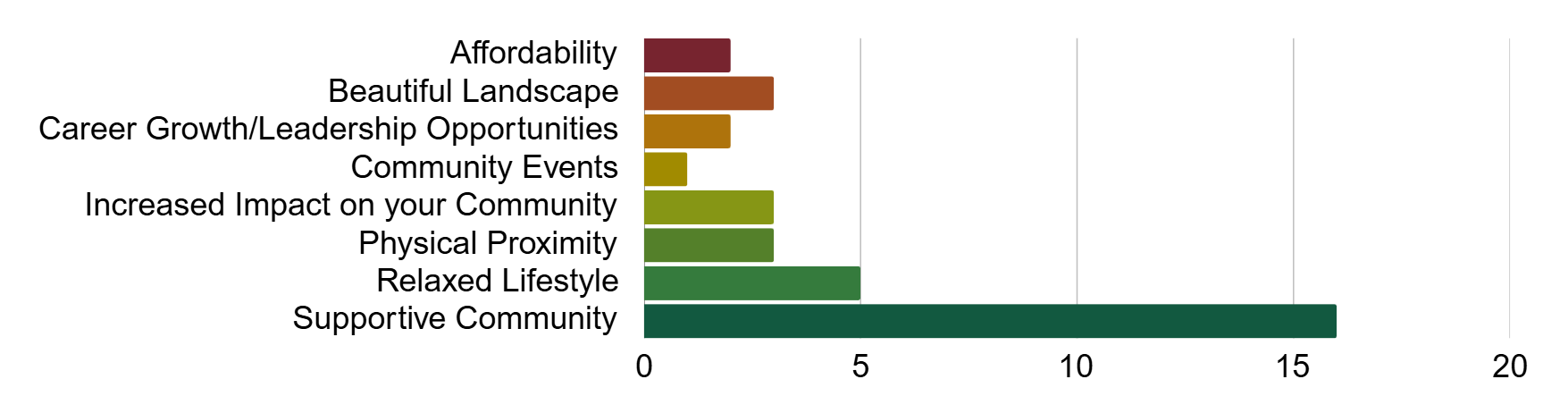
Despite present challenges facing regional and remote communities, alumni were overwhelmingly positive about the benefits of living and working in regional and remote Queensland, particularly the strong sense of community.
The supportive, tight-knit nature of regional communities stood out well above all other responses. Many alumni spoke of the comfort and connection that comes from knowing your community is looking out for you. In contrast to the anonymity often felt in larger cities, regional life offers a deep sense of being seen, supported, and valued.
Other commonly shared benefits included:
- A Relaxed Lifestyle
The slower pace and quieter environment of regional living was praised for supporting better mental health and a more sustainable work-life balance.
- Physical Proximity
Living in a regional community often means everything from work to daily errands is just minutes away. One alumni even mentioned how they wake up happier each day just knowing they don’t have to waste time in traffic!
- Increased Community Impact
By using their skills, passions, or resources, several alumni highlighted the unique privilege of being able to give back to their communities in meaningful, tangible ways.
- Natural Beauty and Affordability
Alumni also recognised the undeniable appeal of Queensland’s beautiful landscapes and more affordable living conditions as benefits of living and working in regional and remote Queensland.
These reflections remind us that, for many young people, regional and remote Queensland isn’t just where they’re from, it’s where they genuinely want to be.
What’s Holding Regional Queensland Back?
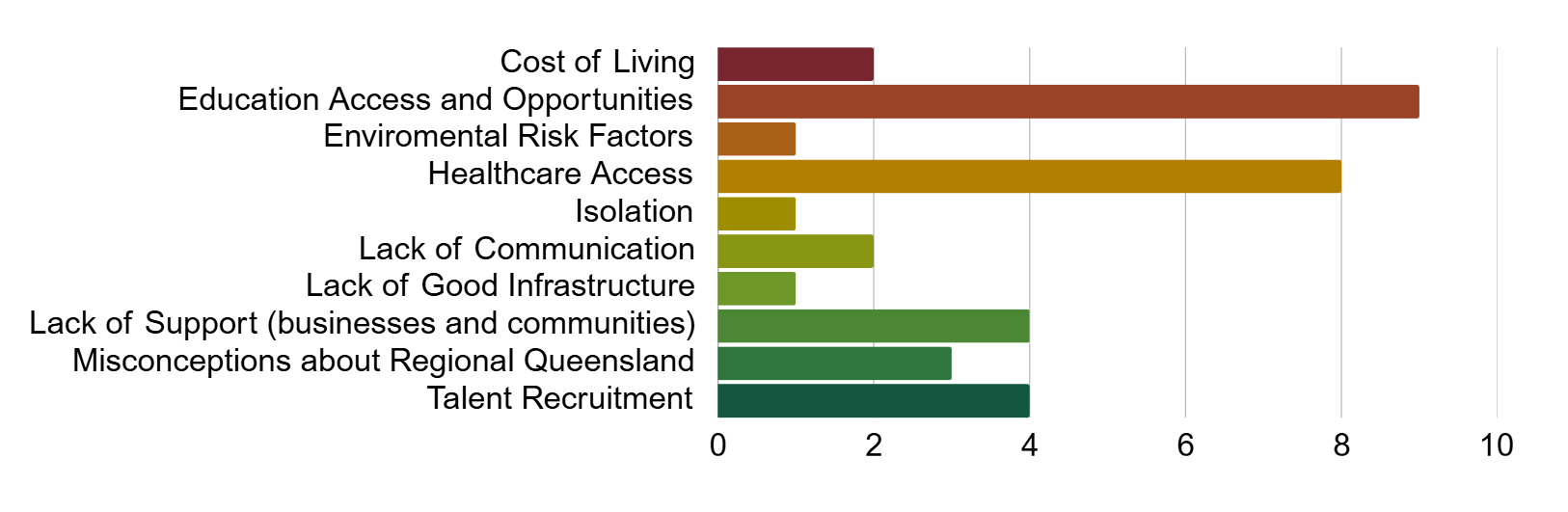
When asked to reflect on the challenges of living and working in the regions, our alumni consistently highlighted these key challenges:
- Education Access and Opportunities
For regional Queenslanders, education opportunities can be few and far between. Many alumni noted this includes access to educational resources, guidance and outreach to support informed decisions about careers and further study. - Healthcare Access
Access to healthcare remains a pressing concern. From unavoidable and lengthy travel times to limited specialist availability, health inequities persist for those living outside urban centres. - Community and Workforce Support
Alumni pointed to challenges in both talent recruitment and lack of support for businesses and communities. These issues are linked, as limited support structures and career pathways can deter young professionals from staying or returning to the regions.
Why Young Regional Voices Matter
With approximately three-quarters of Queensland’s population residing outside of the Greater Brisbane[1], it is critical that policymakers, employers, and metropolitan leaders listen to regional voices, particularly those of our future leaders. Whether it’s addressing infrastructure gaps or rethinking workforce pathways, our alumni remind us that investing in regional and remote Queensland isn’t just a matter of fairness, it’s a pathway to future prosperity.
In order to preserve the future of regional and remote Queensland, we must listen and trust the hands that hold it.
Looking Ahead
For QCoal Foundation, it is encouraging to see such strong alignment between our alumni insights and core pillars: health, education, and liveability. As we move forward, we remain committed to amplifying regional voices, addressing community-identified challenges, and backing the potential that already exists across the regions.
At QCoal Foundation this has also meant finding practical ways to incorporate voice from regional and remote communities into our decision making. Our scholarship alumni are an important source of direct community insight, and we are continually looking at ways to further implement this into our future program design.
The strength of regional and remote Queensland lies in its people, and they deserve every chance to thrive and be heard.
[1] Queensland Audit Office Queenland’s regions 2023 Report 14: 2023-24